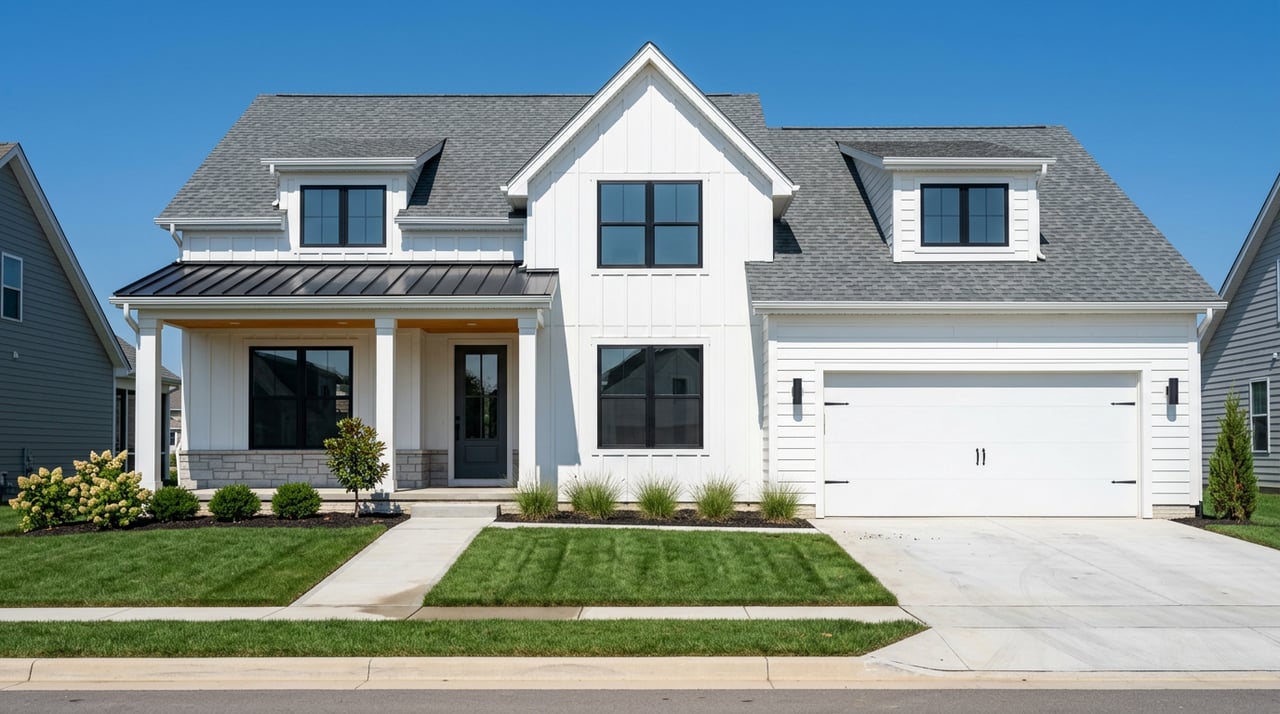
Thinking about a brand-new home near the beach, but not sure where to start? New construction around Lewes gives you choices, from amenity-rich communities to fully custom coastal builds. The process can feel complex, especially with flood rules, utilities, and HOA details that affect cost and timing. This guide walks you through your options, the typical timeline, key approvals, and the smartest questions to ask before you sign. Let’s dive in.
New construction in Lewes: your options
Master-planned communities
You’ll see large, planned neighborhoods with pools, clubhouses, fitness rooms, courts, and trails. These are usually built by national or regional builders with a set list of floor plans and finishes. Communities like Chase Oaks show the amenity packages many buyers want, and they often include lawn care and common-area maintenance.
To-be-built or spec homes
In many subdivisions, you can choose a lot and floor plan, then personalize finishes at a design center. Some builders also release move-in ready spec homes that are already under construction. This path can be a good fit if you want new, but do not want the wait of a fully custom build.
Custom coastal builds
If you own land or want a more tailored design, a local or regional custom builder can help you create a one-of-a-kind home. These projects take longer and require more site-specific approvals. Local approval updates, such as the coverage of Black Oak, help illustrate how buffers, phasing, and amenity timing are often part of the process for new communities.
How the process works in Lewes
From lot to closing
- Lot selection and contract. You choose a lot and floor plan or buy a spec home. The builder provides a list of what is included and what upgrades cost extra.
- Pre-construction and permitting. Engineering, site plans, and utility tie-ins are reviewed before building starts. The City of Lewes requires subdivision and improvement-plan approvals before building permits are issued in many scenarios, which can influence timing.
- Construction. Work typically moves from foundation to framing, mechanicals, finishes, and inspections, then a Certificate of Occupancy and closing.
- Warranties. Most production builders coordinate 30-day, 6-month, and 11-month warranty items and provide a broader structural warranty.
You can find the City’s review requirements in the City of Lewes code on subdivision approvals. Confirm with the builder which approvals are complete and what remains before your home can start.
Realistic timelines
- Spec or inventory homes. Move-in can be immediate or within 30 to 90 days after contract if the home is already underway, depending on stage and inspections.
- To-be-built homes in a subdivision. Many tract builds run about 4 to 8 months once site work begins, with total contract-to-close often in the 6 to 12 month range. Weather, permits, utilities, and materials can shift the schedule. See typical tract-home build timelines for context.
- Custom homes. Plan for 12 to 18 months or more from design to completion, especially for coastal sites that may require deeper foundations and more permitting.
Before you sign, get the builder’s target schedule and delay policy in writing. Ask what typically causes slowdowns and whether there are any remedies for missed dates.
Permits, utilities, and why timing matters
Approvals affect when streets, utilities, and amenities get finished, and that impacts when homes can start.
- City approvals. In Lewes, subdivision and improvement plans often need Planning Commission and Council review before building permits are issued. This step controls how quickly lots can be released and homes can break ground. Review the City of Lewes code on subdivision approvals with your agent.
- Utility acceptance. Inside city limits, the Lewes Board of Public Works (BPW) provides water, sewer, and electric. The BPW ultimately accepts ownership of public mains in many projects after they meet standards. Ask for any recorded utility-dedication documents and the developer’s schedule for acceptance. The BPW outlines service and connection guidance for new customers.
- Outside the city. Other utilities, such as Artesian or Tidewater, may serve nearby areas. Service territories are set by Certificates of Public Convenience and Necessity. Confirm which utility holds the CPCN for any lot you consider and what that means for timing and fees.
Infrastructure work like sewer force mains can be permitted and built before homes start, and these timelines ripple through the whole community. Ask the builder how far along the utility work is and whether home starts are tied to specific acceptance milestones.
Lot selection: coastal and environmental checks
Flood zones and required elevation
Flood rules are a big deal near Lewes. Always look up the exact lot on the FEMA Flood Map Service Center to see the flood zone and Base Flood Elevation (BFE). The City of Lewes requires residential structures in AE or VE zones to be elevated at least 36 inches above BFE. This local freeboard rule influences whether your foundation is a crawl space, an elevated slab, or pilings, and it can increase cost. Ask for the lot’s FEMA panel, BFE, and the proposed first-floor elevation in writing.
Lewes and the Delaware Bay shoreline face sea-level-rise pressures, so it is smart to review state and university resources on sea-level rise when you are comparing low-lying or waterfront lots.
Wetlands, buffers, and septic vs. sewer
Delaware regulates wetlands and subaqueous lands. Many local site plans call out wetlands buffers and label where public sewer or septic drain fields are allowed. The Sussex County Planning packet for The Estuary at Oyster Rock is a useful example of how site plans often show wetlands buffers and septic areas. If the lot lacks public sewer, request DNREC or County approvals for septic and any available soil testing.
Soil and foundations
Coastal sites can require deeper foundations or pilings. Builders often price foundations by lot based on geotechnical findings. Ask for any available soil borings or engineering recommendations so you understand potential cost differences between lots within the same community.
Builders, upgrades, and contracts
Standard features and upgrades
Model homes almost always show upgrades. Do not assume what you see is included. Request the standard-features sheet in writing and an itemized price list for popular upgrades. A common rule of thumb is to budget roughly 10 percent of the home price for upgrades, although higher-end customization can push that higher. Confirm with your lender whether your planned upgrades can be financed and how they will be handled in the appraisal.
Deposits, incentives, and change orders
Deposits vary. Spec homes may require a smaller deposit, while to-be-built and custom homes can use staged payments or construction draws. Builders frequently offer incentives, such as rate buydowns or closing credits, if you use their preferred lender. Compare those offers to independent lenders before you commit.
Change orders are formal requests to alter the plan or finishes after contract. They can add cost and time. Ask your builder how change-order pricing works, what administrative fees apply, and when changes are no longer allowed.
Inspections, walkthroughs, and warranties
Even new homes benefit from independent inspections, especially at pre-drywall and final stages. Confirm that your contract allows third-party inspections and how the builder schedules rechecks. Many builders follow a 1-2-10 warranty model, which typically covers workmanship for one year, major systems for two, and structural elements for ten. Review the full warranty booklet before closing and make sure you are set for 30-day, 6-month, and 11-month warranty visits.
HOAs, amenities, and recurring costs
Most new communities near Lewes offer amenities like a clubhouse, pool, fitness center, pickleball or tennis, and walking trails. Some include exterior maintenance. These features affect your HOA dues and resale expectations. Delaware’s common-interest communities are governed by the Delaware Uniform Common Interest Ownership Act. Before you sign, request the recorded declaration, bylaws, current budget, reserve study, and recent meeting minutes.
Amenities are sometimes built in phases. Local approvals can tie amenity delivery to a certain number of building permits or units. The coverage of Black Oak illustrates how approvals often include conditions that shape timing. Ask whether amenities have a required completion schedule, what happens if they are delayed, and whether the developer can transfer HOA control before full build-out.
Your Lewes new-build checklist
- Ask for the standard-features sheet and a written, itemized list of upgrade pricing. Use it to compare across builders.
- Get the builder’s construction schedule in writing and ask about typical delays and any on-time delivery remedies.
- Request the full warranty booklet. Confirm whether the program follows a 1-2-10 model and who administers claims.
- Confirm utilities. Inside Lewes, the BPW provides water, sewer, and electric. Ask for a current will-serve letter and any recorded utility-dedication documents. See BPW service guidance for new customers.
- Check flood data. Pull the FEMA panel for the lot and confirm the BFE. Lewes requires 36 inches of freeboard in AE and VE zones. Ask for the planned first-floor elevation in writing.
- Verify sewer or septic. If not on public sewer, request DNREC or County approvals, perc-test results, or soil-boring data to confirm the lot can support a system.
- Review HOA documents. Read the CCRs, bylaws, budget, reserve study, and any recorded amenity-completion timelines required under Delaware’s common-interest law.
- Clarify the change-order process and fees. Ask for a sample form and the deadline for making selections.
- Confirm third-party inspections. Ask if pre-drywall and final inspections are allowed and how repairs get scheduled.
Ready to explore new construction in Lewes?
You deserve a clear plan, a smart lot choice, and a design that fits your life. If you want help comparing communities, reading site plans, confirming flood elevations, or mapping a smooth build timeline, reach out. As a locally rooted advisor, I can help you weigh tradeoffs and move forward with confidence.
Let’s connect and build a strategy that works for you. Contact Kristina Rice to get started.
FAQs
What new construction types are common in Lewes?
- You’ll find master-planned communities with amenities, to-be-built or spec homes in subdivisions, and fully custom coastal builds on individual lots.
How long does a Lewes new-build usually take?
- Spec homes can be 30 to 90 days, tract builds often run 4 to 8 months after site work begins, and custom homes are commonly 12 to 18 months or more.
What flood and elevation rules affect Lewes homes?
- Always check the FEMA map and BFE; Lewes requires residential structures in AE and VE zones to be at least 36 inches above BFE, which affects foundation type and cost.
Who provides utilities for new homes in and around Lewes?
- Inside city limits, the Lewes BPW provides water, sewer, and electric; outside, service depends on which utility holds the CPCN, so confirm the provider for any lot.
What HOA documents should I review before buying new construction?
- Request the recorded declaration, bylaws, budget, reserve study, meeting minutes, and any amenity-completion timelines under Delaware’s common-interest law.
References and helpful resources:
- City of Lewes subdivision approvals: https://ecode360.com/39760177
- BPW service information: https://www.lewesbpwde.gov/new-customer-welcome-page/
- Utility service territories and planning context: https://documents.dnrec.delaware.gov/wr/Water-Supply/Council/Kent%20andSussex%20Cos%20Estimates%20of%20Water%20Supply%20and%20Demand%20Work%20Plan.pdf
- FEMA Flood Map Service Center: https://msc.fema.gov/portal/home
- Lewes freeboard requirement: https://ecode360.com/45648438
- Timeline context for tract homes: https://www.clearhouselending.com/blog/how-buying-tract-home-works
- Wetlands, septic, and site-plan examples: https://sussexcountyde.gov/sites/default/files/packets/2020-15%20The%20Estuary%20at%20Oyster%20Rock%20Paperless%20Packet.pdf
- 1-2-10 warranty overview: https://www.2-10.com/blog/what-does-a-builder-foundation-warranty-cover/
- Delaware Uniform Common Interest Ownership Act: https://delcode.delaware.gov/title25/c081/sc01/
- Local approval timing example: https://www.capegazette.com/article/sussex-pz-unanimously-approves-black-oak/247584