Thinking about selling your home in Dover? A strong sale usually starts well before the sign goes in the yard. If you want to price smart, avoid delays, and make a great first impression, a little early planning can make a big difference. Here’s how to get your Dover home ready for a smoother, more confident sale.
Understand the Dover market first
One of the biggest mistakes sellers make is looking at broad county numbers and assuming they tell the full story. In Dover, the numbers can look different from Kent County as a whole, so your pricing strategy should reflect your local submarket.
In March 2026, Dover’s median sale price was $289,500, while Kent County’s median was $336,495. Dover homes sold in about 49 days on average, compared with 63 days countywide. That gap matters because it shows why local comps should drive your decisions.
Dover homes were also selling for about 1% below list price on average, and countywide, 23.1% of homes had price drops. At the same time, some of the hottest Dover listings went pending in about 19 days and buyers made about two offers per home. That means the market can reward the right home at the right price, but it can also punish overpricing.
Price for Dover, not just Kent County
If you want serious buyer interest early, realistic pricing is key. A price that feels ambitious but misses the mark can lead to extra days on market, fewer showings, and eventual price cuts.
Start with comparable recent sales in Dover first. Then use Kent County trends only as a secondary reference point. This keeps your pricing grounded in what buyers are actually paying for homes like yours in your immediate area.
A smart price does more than attract attention. It helps your launch feel stronger, supports cleaner negotiations, and gives your home a better chance to stand out before buyers move on to the next option.
Complete disclosures early
Delaware has specific seller disclosure rules, and timing matters. Under Delaware’s Buyer Property Protection Act, sellers of most residential property must disclose all known material defects in writing before the listing agreement is signed.
That disclosure should also be updated if something material changes before final settlement. Buyers should receive the disclosure before making an offer, and separate radon rules apply to homes with dwellings.
This is one of the best reasons to start early. When disclosures are handled up front, you can reduce stress later and avoid last-minute scrambling once your home is active.
Get ahead with a pre-sale inspection
A pre-sale inspection can help you spot issues before a buyer does. That gives you more control over repair decisions, pricing conversations, and how you present the home to the market.
Pre-sale guidance recommends using the inspection to identify needed repairs, gather replacement estimates, and locate warranty documents. Even if you do not fix everything, knowing what may come up helps you prepare a better plan.
For many sellers, this step creates clarity. Instead of reacting under pressure during negotiations, you can decide in advance what to repair, what to disclose, and what to price around.
Focus on presentation that feels clean and easy
Buyers often decide how they feel about a home within moments of seeing it online or walking through the front door. That is why presentation matters just as much as pricing.
Staging is not just about decorating. It includes cleaning, decluttering, repairing, depersonalizing, and making updates that help buyers picture themselves in the space. Done well, it can help shorten time on market and improve the overall impression of your home.
Start with the basics:
- Declutter surfaces and storage areas
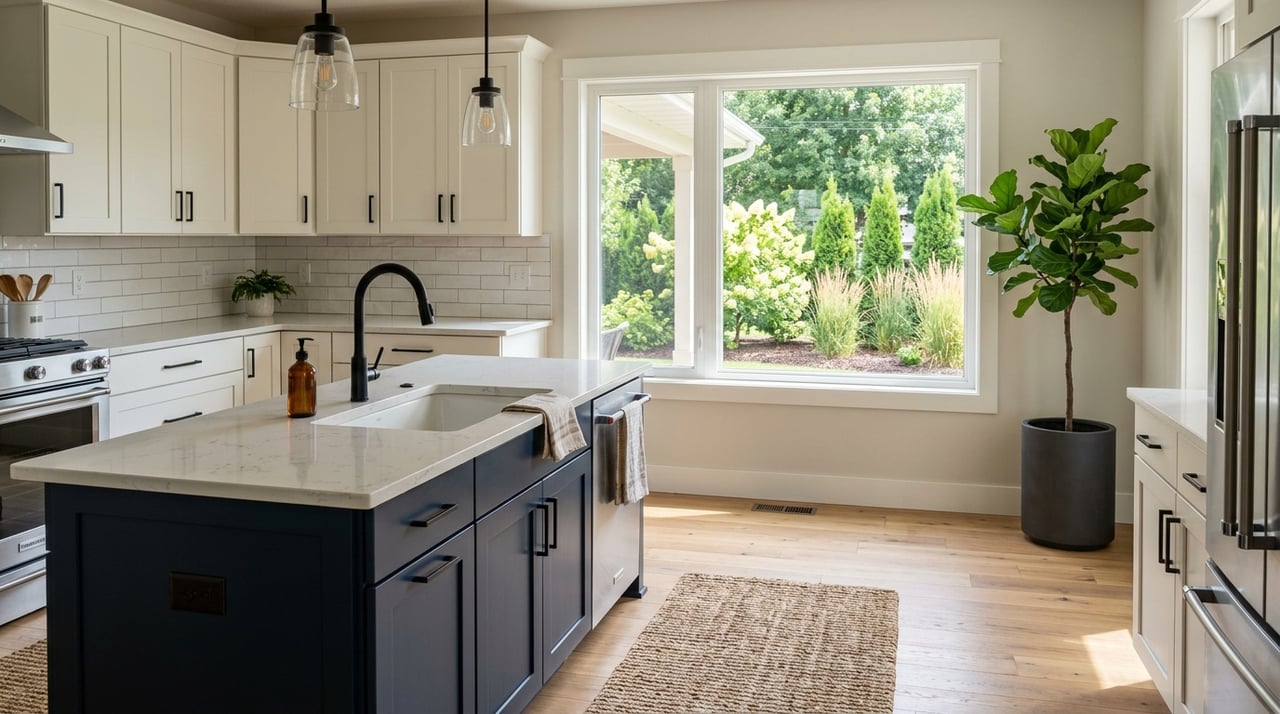
- Deep clean kitchens, baths, and floors
- Make small repairs you have been putting off
- Remove overly personal items
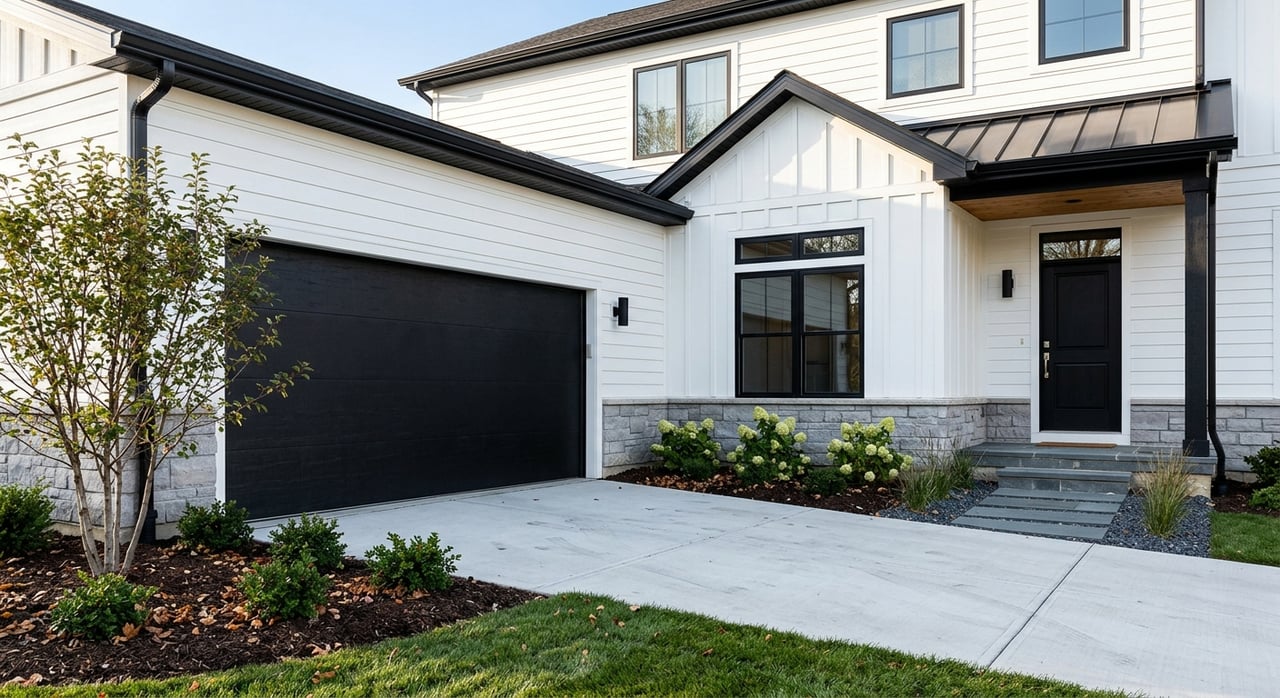
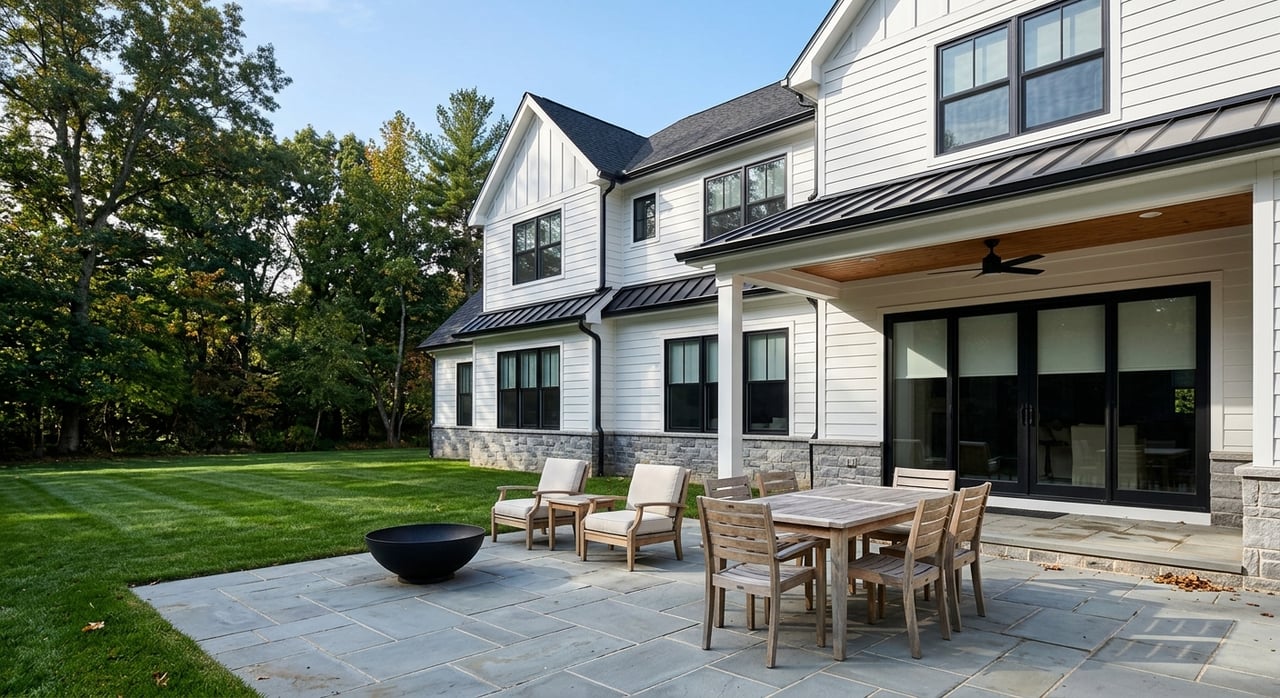
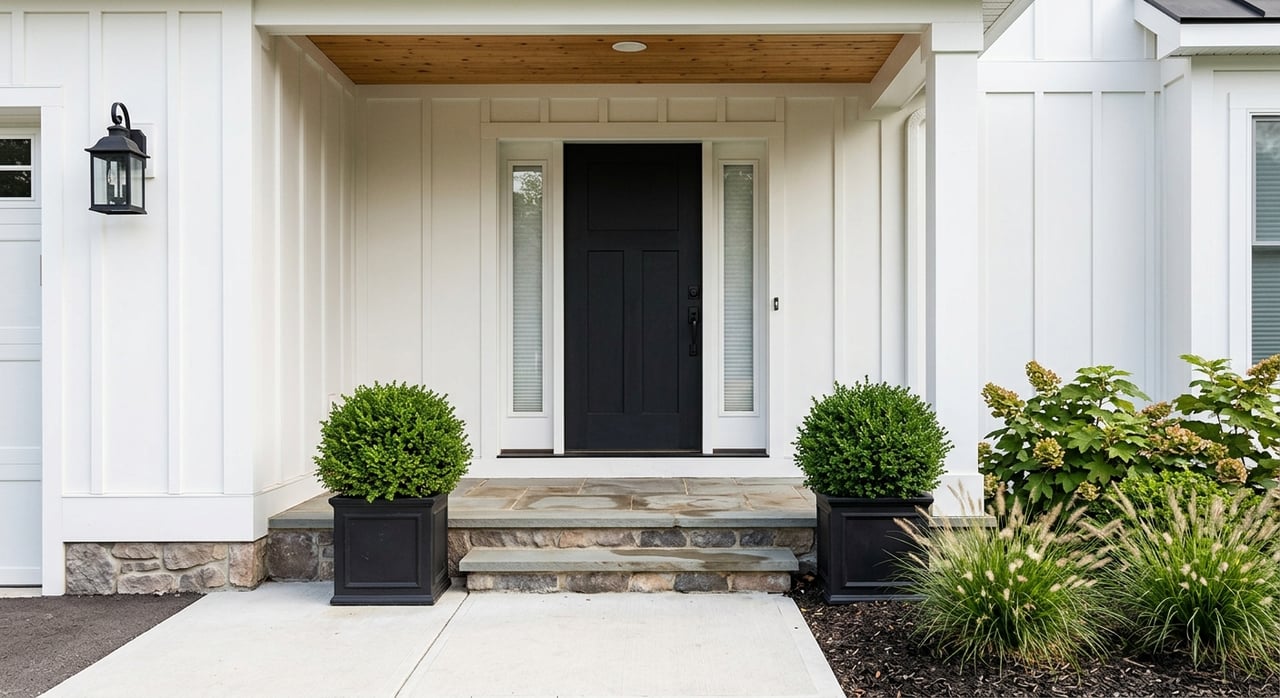
- Improve curb appeal at the entry and front yard
Before each showing, aim for a simple showing-ready routine:
- Make beds
- Clear counters
- Wipe down surfaces
- Tidy main living spaces
- Neutralize odors
These steps are simple, but they help your home feel cared for and easy to imagine living in.
Treat photos like your first showing
For most buyers, your listing photos are the first introduction to your home. If the online presentation falls flat, many buyers will never schedule an in-person visit.
Photos, videos, and virtual tours are widely valued listing tools, which means your marketing media should be part of your prep plan from the start. The goal is simple: the first impression online should match the in-person experience.
That is why it helps to prepare your home before media day, not after. Clean rooms, strong lighting, and uncluttered spaces can make a major difference in how your home is perceived the moment it hits the market.
Budget for Dover closing costs
Selling a home is not just about your sale price. You also need a clear picture of what costs may come into play at closing.
In Dover, there is a local realty transfer tax of 1.5%, and it is generally split equally between the grantor and grantee. Delaware also applies a state transfer tax of 2.5% in jurisdictions that impose a local transfer tax. In a typical Dover sale, that means a combined transfer-tax load of about 4.0% before any exemptions or contract-specific allocation.
The deed also cannot be recorded without proper payment evidence. That means transfer-tax and recording coordination are not just back-office details. They are essential steps that help your closing stay on track.
Why responsiveness matters during your sale
Selling a home involves a lot of moving parts. Pricing, disclosures, showing prep, offer timing, transfer-tax coordination, and closing logistics all need attention, often at the same time.
Most sellers choose to work with a real estate agent, and many want help with pricing competitively, marketing the home, finding a qualified buyer, and closing within a specific timeframe. In a market like Dover, where some homes move quickly and others need price adjustments, responsiveness can make a real difference.
A hands-on, organized approach helps keep momentum going. It also gives you a better chance of solving small issues before they turn into larger delays.
Your Dover seller checklist
If you are planning to sell in Dover, this is a strong place to start:
- Review recent Dover comps before countywide trends
- Set a realistic price based on the Dover submarket
- Complete your Delaware disclosure packet before signing the listing agreement
- Schedule a pre-sale inspection
- Prioritize repairs, estimates, and warranty documents
- Declutter, deep clean, and stage key rooms
- Plan professional photos and other marketing media early
- Budget for transfer taxes and recording-related closing steps
- Keep the home showing-ready once it goes live
The sellers who feel the most confident are usually the ones who prepare early. When you know your market, handle disclosures on time, and launch with a clean, polished presentation, you put yourself in a much stronger position.
If you’re planning your next move in Dover and want a clear, hands-on strategy from day one, Kristina Rice can help you price, prepare, and market your home with local insight and responsive guidance.
FAQs
What should Dover home sellers know about local pricing?
- Dover’s median sale price was below the Kent County median in March 2026, so you should review Dover comps first and use county data only as a secondary guide.
When do Delaware home sellers need to complete disclosures?
- For most residential sales, Delaware requires sellers to disclose known material defects in writing before the listing agreement is signed and to update that disclosure if a material change happens before settlement.
Should Dover home sellers get a pre-sale inspection?
- A pre-sale inspection can help you identify issues early, plan repairs, gather estimates, and reduce surprises during buyer negotiations.
How can Dover sellers prepare a home for showings?
- Focus on decluttering, deep cleaning, minor repairs, depersonalizing, improving curb appeal, and using a simple routine before each showing like making beds, clearing counters, and wiping surfaces.
What transfer taxes apply when selling a home in Dover?
- A typical Dover sale usually includes both the city transfer tax and the Delaware state transfer tax, for a combined total of about 4.0% before exemptions or contract-specific allocation.